
Running a steady cycle
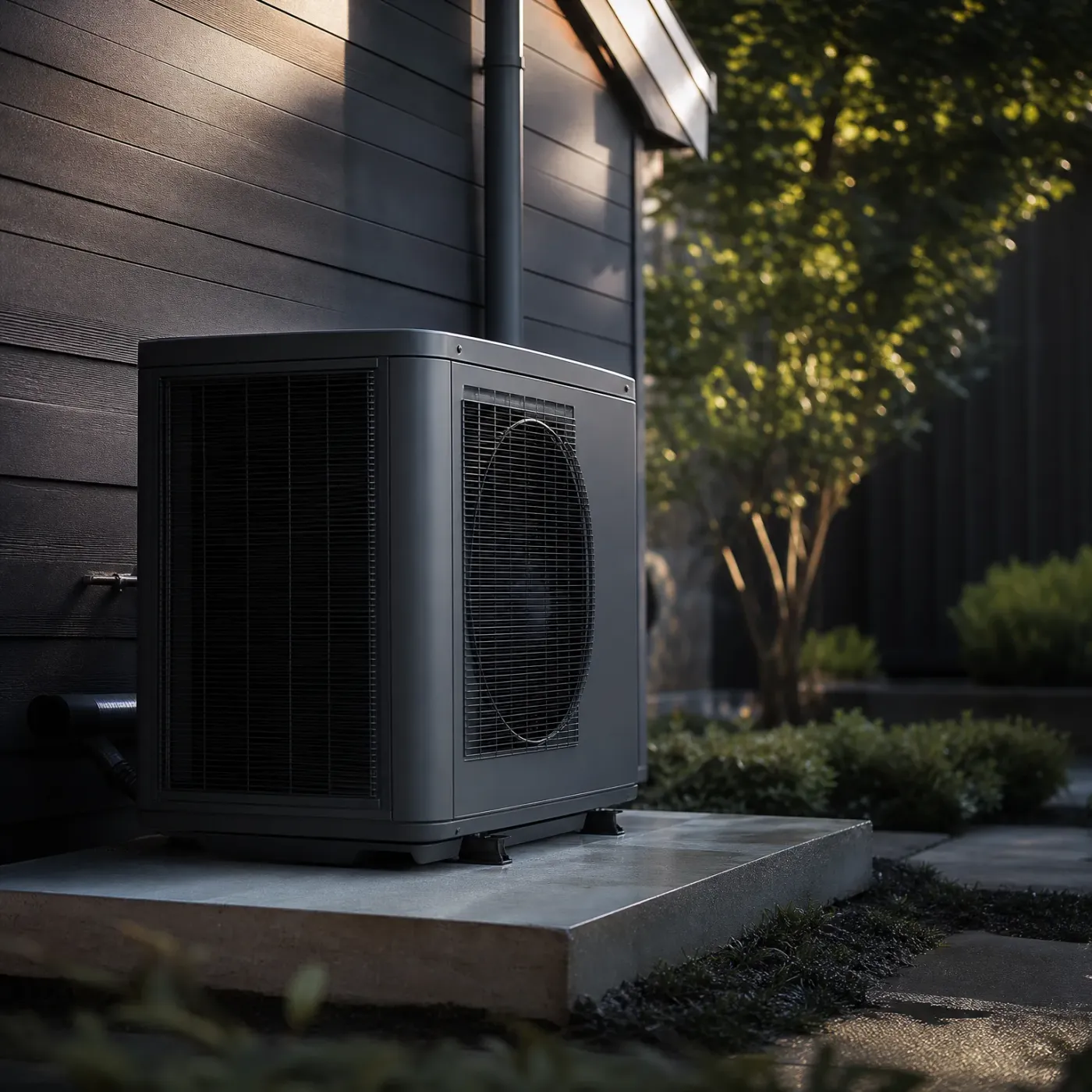
The outdoor unit sits on its pad and holds a long, even run. Air moves through the house at a steady rate instead of in short bursts, and the compressor isn't starting up every few minutes to keep up.
Hand off the search today
A heat pump that turns on and off every few minutes isn't resting, it's struggling, and in a Massachusetts winter that struggle shows up fast on your power bill. This page gets into what actually causes short cycling, from a stuck reversing valve to a unit sized wrong for your house. Once you send the details, finding someone who can look at it stops being on you.
Let a pro reach outShort cycling means your heat pump runs for a few minutes, shuts off, then starts again, instead of running a steady stretch until the house reaches temperature. Most often it's the unit putting out more heat than the space actually needs right now, so it satisfies the thermostat fast and shuts down, then the house cools and it kicks back on. A dirty air filter or blocked outdoor coil can cause the same thing by choking airflow until the system overheats and trips off early. A low refrigerant charge or a failing sensor will do it too, reading the temperature wrong and shutting the compressor down before it should. In a Massachusetts winter, a heat pump that won't run a full cycle struggles to keep up when it's cold out, and all that starting and stopping puts more wear on the compressor than normal running does. It also tends to run up your power bill, since starting the compressor draws more power than keeping it running.




A heat pump sized too large for the house will always short cycle, even brand new, because it hits the thermostat's setpoint before it ever runs long enough to move air evenly through the rooms.
That's why a replacement isn't always the fix. A contractor who checks the refrigerant charge, the airflow and the reversing valve first can often solve it without touching the unit's size at all.


The thermostat calls for heat and the compressor starts up.
The unit reaches setpoint fast because it's oversized for the space.
The thermostat shuts the compressor down within a few minutes.
The refrigerant pressure and coil temperature don't have time to settle.

It's past eleven and the bedroom is still thick with heat. You kicked the sheet down to the foot of the bed an hour ago and it hasn't helped. The window's fogged along the bottom edge where the humid air outside meets the cooler glass, and somewhere down the hall you can hear the heat pump kick on, run for a few minutes, then quit. You get up and check the thermostat. It says the house is at temperature, but the air coming through the vent feels thin, barely moving. You lie back down on the damp sheet and wait for the next cycle to start, already knowing it won't fix anything this time either.
A heat pump that keeps cycling on and off doesn't settle down on its own, and every start-up puts a hard pull on the compressor. Left alone through a Massachusetts winter, that adds up on a bill that's already steep with power priced the way it is here. Finding the actual cause, whether it's a sizing problem, a bad sensor, or a valve stuck partway, takes someone who's been inside this kind of unit before, not a guess. The contractor who gets your request is local and licensed, and works on heat pumps all season, so they've seen this failure pattern plenty of times on homes like yours. Your request goes to that one contractor, not spread across a handful of companies hoping one calls back. You don't have to figure out what's wrong before you reach out. Send the form and let someone who does this for a living sort out whether it's the thermostat, the valve, or the way the system was sized in the first place.

The outdoor unit sits on its pad and holds a long, even run. Air moves through the house at a steady rate instead of in short bursts, and the compressor isn't starting up every few minutes to keep up.

Same unit, same pad, but the compressor fires, pushes air for a few minutes, then shuts down before the house catches up. It'll start again soon after, and that pattern is the short cycling itself, not a side effect of it.




A Massachusetts summer holds a dew point around 60°F, based on National Weather Service averages for June, July and August. That's thick enough that your heat pump has to pull real moisture out of the air before the house feels right, not just drop the temperature a few degrees. If it's short cycling, it shuts off before that moisture ever gets pulled out. The thermostat might read 72 and the room still feels damp, the air heavy against your skin, a film on the windows. You'll feel it most in the rooms where people actually sit in the evening, long after the unit's already clicked off again.
NASA POWER T2MDEW county cells weighted by homes
You hear the outdoor unit kick on, run for a few minutes, then quit. A little while later it starts again. Inside, a room gets close to comfortable and then drifts warm or cold before the next cycle catches it. Some rooms never quite settle, especially the ones farthest from the unit. You might notice the air coming out of the vents feels less steady than it used to, warm in bursts rather than a long even flow. If this has been going on for a while, check your power bill against last year's. A compressor that starts and stops all day pulls more than one that runs a long steady cycle, and with what power costs in Massachusetts, that difference doesn't stay small for long.

The outdoor unit sits quiet on its pad, lines and conduit running clean up the wall to the disconnect. It starts once per call for heat and holds that run until the thermostat is satisfied. No one inside hears it cycling on and off every few minutes.

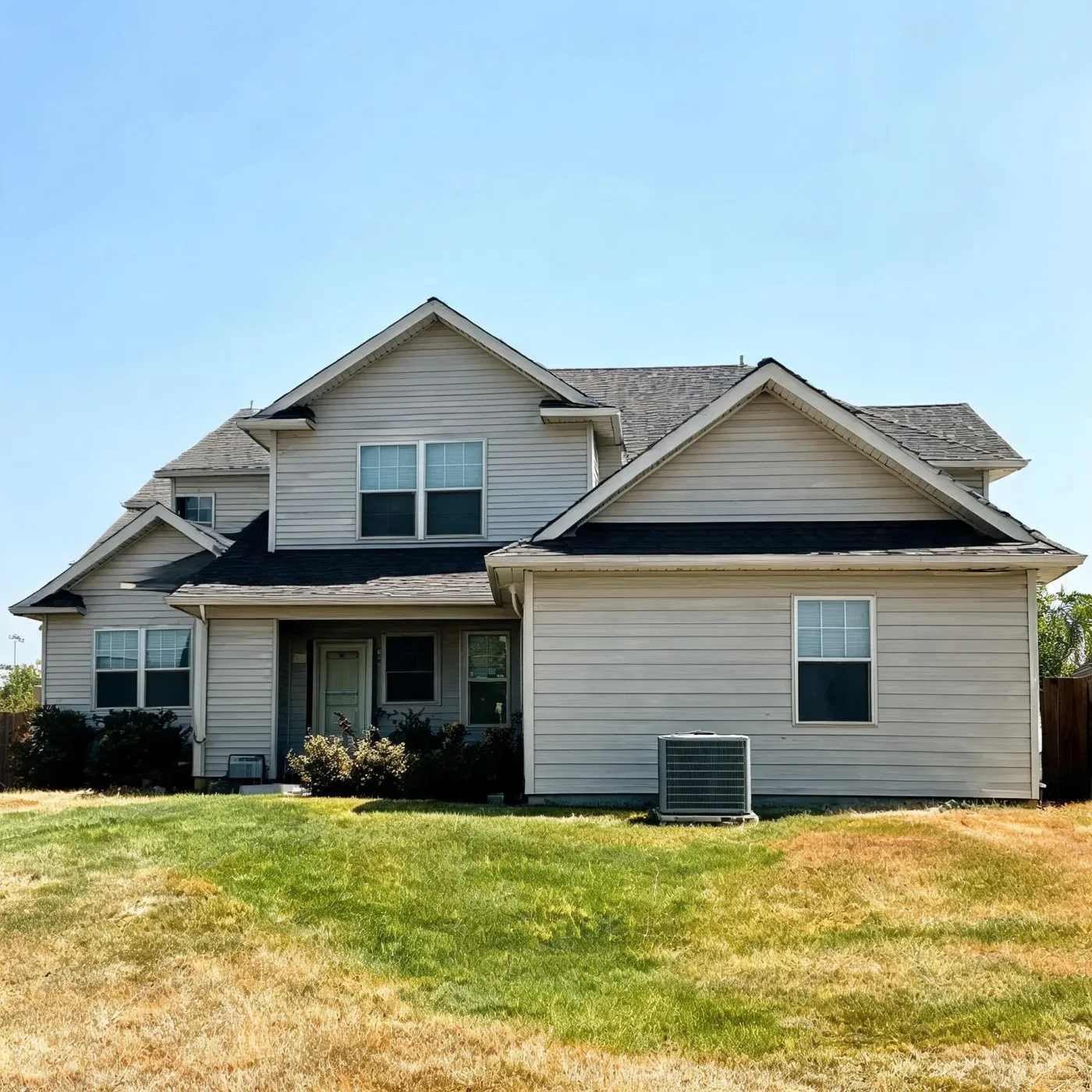
Years of weather have left this unit's cabinet faded and the fins packed with grime. A reversing valve or a failing capacitor on a unit this age is often what's behind the short runs, starting and stopping instead of holding a steady one. That's the pattern a contractor needs to see in person.
At 30.41 cents per kilowatt-hour, every short cycle costs you more here than almost anywhere else in the country. Each restart pulls hard power to get the compressor going again, and a unit doing that every few minutes runs up a bill fast before it ever settles into a steady, cheaper stretch.
EIA-861 2025 statewide residential average
A heat pump that keeps starting and stopping is telling you something specific. It's not wearing out from age alone. It's reacting to one of a short list of causes: a unit sized wrong for the house, a coil caked with dirt, a reversing valve stuck partway, or a thermostat mounted somewhere it reads the room poorly. Each of those has its own fix, and none of them gets solved by guessing.
That's the part worth sitting with before you call anyone. The compressor pulling hard on every restart is what's driving the bill up, and at Massachusetts electric rates that cost shows up fast. Fixing the actual cause stops that pattern. Replacing the unit without knowing the cause just moves the same problem into a new box, especially if the sizing was wrong to begin with.
This is also where having the right contractor on the job matters more than having several of them. Someone who services heat pumps in Massachusetts all winter has likely already seen your unit's exact pattern, maybe that week, in a house not far from yours. They know what a stuck reversing valve sounds like versus a dirty coil, and what a bad thermostat placement does to a cycle. When you're matched with one licensed local contractor instead of fielding calls from several, that one visit is enough to find out which of these is actually happening in your house, and to fix that instead of something else.
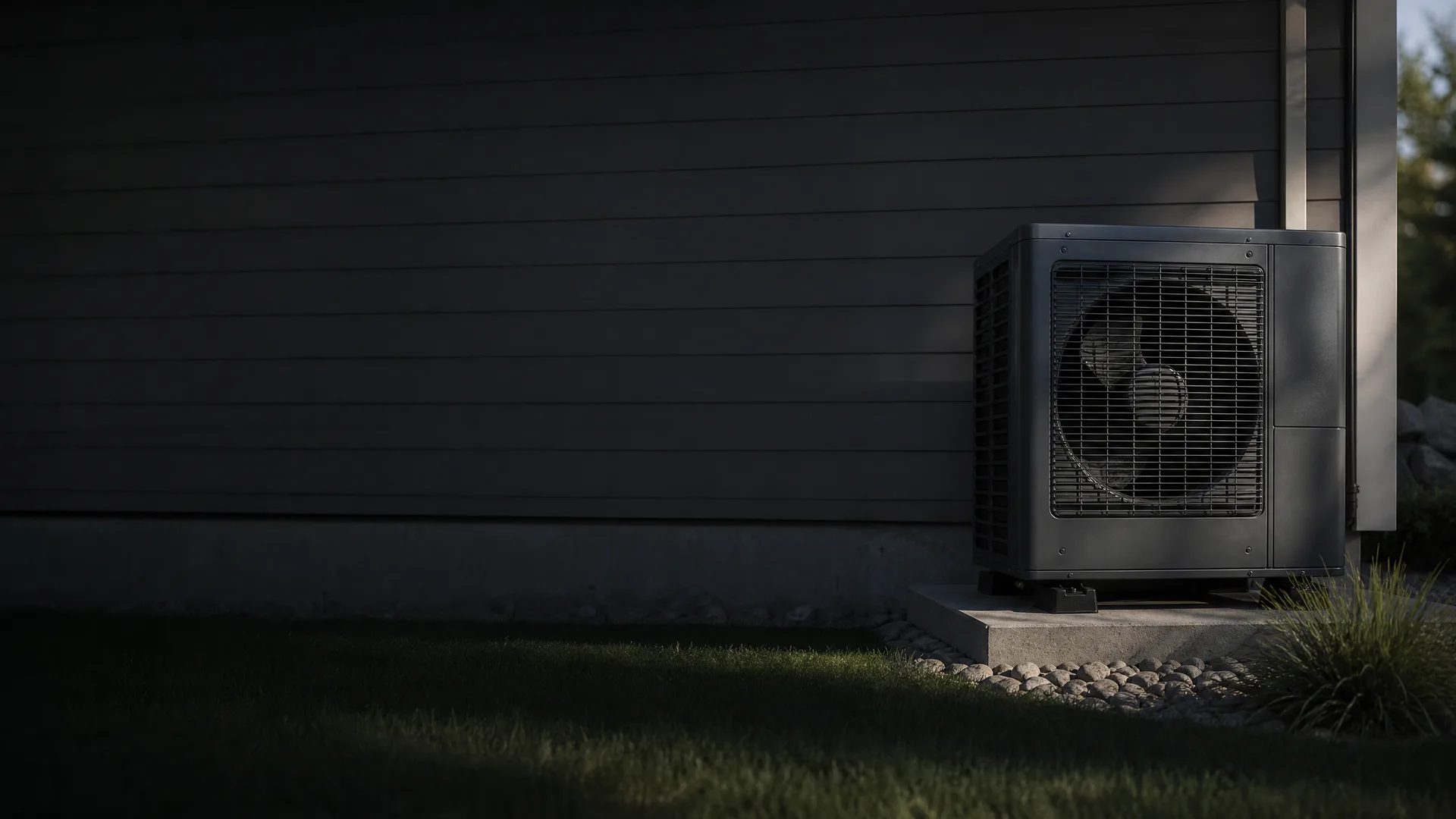
Your request stays with one local pro.