
It's off your list after this
Is a heat pump cheaper to run than gas heat in Massachusetts
Electric rates in Massachusetts run high, and most of your neighbors heat with gas, so it's fair to wonder if that heat pump costs you more than a furnace would. The answer depends on the gas rate, the electric rate, and how your heat pump performs in the cold. Skip the research and the round of calls to find someone who'll look at your setup. Send the form and the search is off your plate.
Send my requestUsually not, but it's closer than people expect. A heat pump moves heat instead of burning fuel for it, so even with Massachusetts electric rates running high, it can deliver more heat per dollar than a gas furnace most of the winter. The catch is cold air. Below freezing, a heat pump has to work harder to pull warmth out of outside air, and somewhere in the teens or below, many units lean on backup electric heat to keep up. That backup heat is expensive to run, and it's where gas can pull ahead on a cold night. So the honest answer is that your heat pump likely beats gas heat on cost through fall and into early winter, and the two trade places once temperatures drop hard in January and February. A properly sized heat pump, installed to handle New England cold without leaning on backup heat too soon, keeps more of those months on its side.
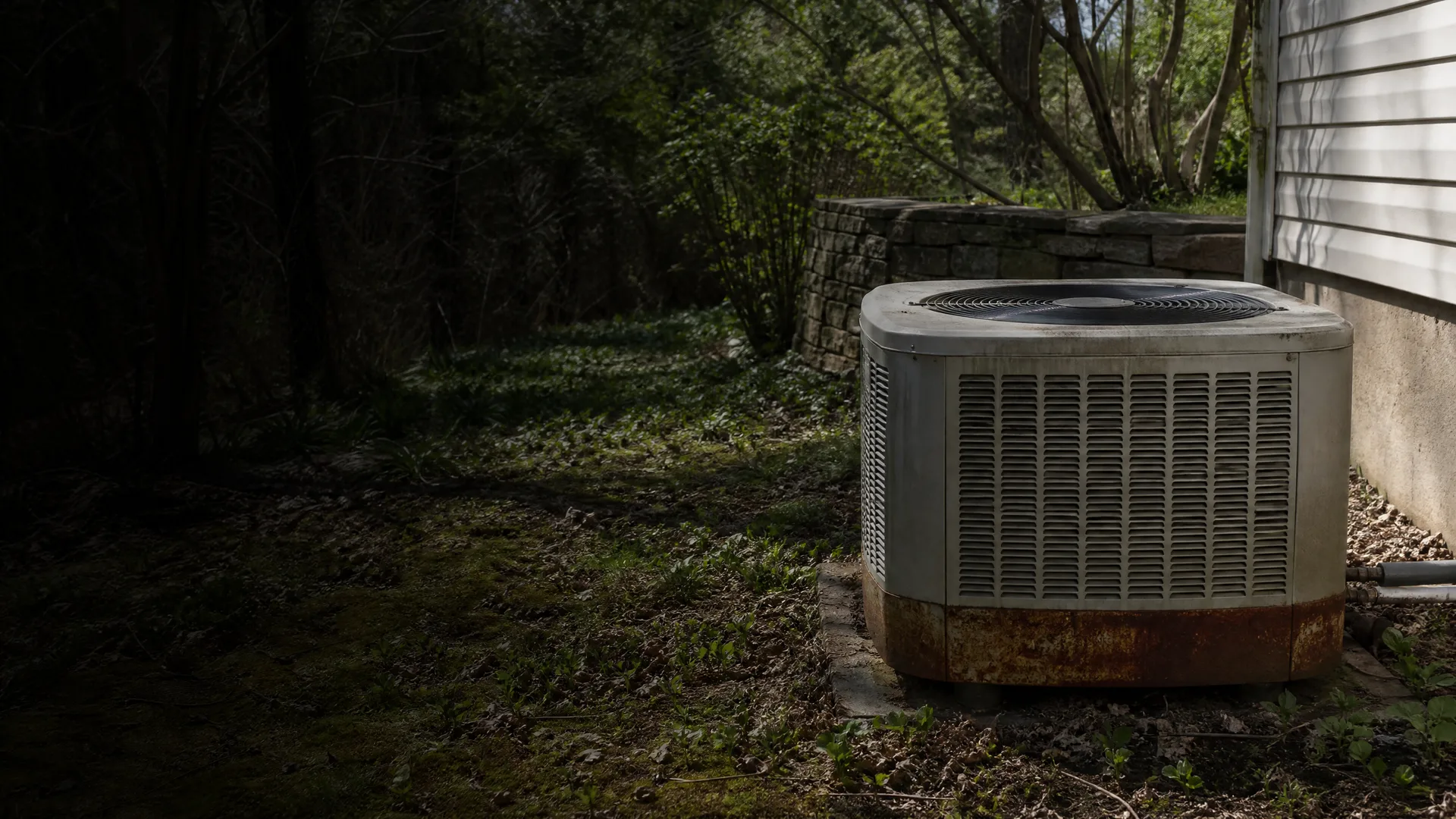
You're out in the side yard in April, coiling the hose up before you put it away, and you catch the outdoor unit out of the corner of your eye. Rust along the base, right where the casing meets the pad. You crouch down and run a thumb over it. It's been through a lot of Massachusetts winters, that unit, pulling heat out of air that's colder than you'd think anything could be pulled from. You wonder how much longer it's got, and whether a new one would actually bring the electric bill down or just be new. You stand back up, still holding the hose, and make a note to call someone before next winter, not during it.
Heat Pump or Gas Furnace in the Cold
Heat pump
- It pulls heat from outside air even when that air is cold, though how much it pulls off falls as the temperature drops.
- Below a certain outdoor temperature, most heat pumps need backup heat strips to keep up, and those run on straight electric resistance, the most expensive way to heat a house.
- On a mild day in the 40s, it can produce three or four units of heat for every unit of electricity it uses, which is why it beats gas most of the winter.
- On the coldest nights, that ratio drops toward one to one, and that's when the electric bill catches up to or passes what a furnace would have cost.
- One thermostat and one system cover both your summer cooling and your winter heat, so there's no separate AC to maintain or replace.
Gas furnace
- It burns fuel to make heat directly, so its output per unit of fuel stays about the same whether it's 30 degrees out or 0.
- Massachusetts gas rates run lower than the state's electric rates, which is the main reason gas heat has stayed common here.
- A furnace can't cool your home, so you'd still need a separate air conditioner for the muggy months.
- Its output doesn't drop off as the temperature falls, which matters on the handful of nights each winter that go well below freezing.
- A gas furnace needs a flue and a gas line, so where those run through the house is fixed once it's installed.

That same dew point sits at 60°F across June, July and August here, averaged over where people live in Massachusetts, per NOAA climate data. That's thick air. Your heat pump isn't just cooling it, it's wringing water out of it too, and that second job runs the compressor longer than the thermostat setting alone would suggest. You'll notice it as a unit that keeps cycling on a day that doesn't feel that hot by the numbers, and a power bill that tracks the humidity as much as the temperature. None of that shows up until you're already in July wondering why the system won't rest. Getting someone out to look at how your heat pump is sized and set up for that kind of air beats finding out the hard way, mid heat wave, after calling around to a few contractors and hoping one picks up.
NASA POWER T2MDEW county cells weighted by homes
Stop chasing a heat pump pro
You've read the numbers above and maybe run a few of your own, gas rate against electric rate, degree days against backup heat. That's the right instinct, but it's also exactly the kind of thing that eats an afternoon and still leaves you guessing, because the real answer depends on how your specific heat pump is set up, what backup heat it's paired with, and whether it was sized right for a Massachusetts winter in the first place. That's a judgment call for someone who can look at your system, not a spreadsheet. Sending this form means you're done calling around New England contractors, done explaining your setup over and over to whoever picks up, done trying to compare quotes that each measure something different. One contractor gets your request and takes a look at what you actually have running in that side yard. You go back to deciding whether the heat pump is pulling its weight, with someone qualified actually looking at the thing instead of you staring at a dial.
Where You Land on the Numbers
- A heat pump in Massachusetts usually costs less to run than gas heat over a full winter, but the margin is narrow.
- Below roughly 20 to 30 degrees, depending on the unit, backup electric heat strips can erase that advantage on the coldest nights.
- The actual answer for your house depends on your gas rate, your electric rate, and how your specific heat pump holds up in the cold.
- A contractor who's run these numbers for other homes in your area can tell you where your setup lands faster than working it out alone.
- Submitting the form means you stop hunting for someone to call and comparing quotes yourself, and that part becomes someone else's job.
So the honest answer is yes, usually, but by less than the brochures suggest. A heat pump moving heat from cold outdoor air still beats a gas furnace burning fuel for it, on most days of a Massachusetts winter. What narrows the gap is the stretch of nights when the outdoor temperature drops far enough that the heat pump leans on its backup strips, and those strips run on the same expensive electric rate as everything else in the house. Where exactly that crossover lands for you depends on three things: what you pay for gas, what you pay for electric, and how your particular unit is rated to perform in the cold. Two houses on the same street can land on opposite sides of that line.
Working all that out yourself means pulling your gas bill, your electric bill, and your unit's spec sheet, then doing the math three or four times to be sure. Or a contractor who already knows the local utility rates and has run this comparison for other homes nearby can tell you in one visit where your house actually falls. That's the trade the form makes. Instead of searching for contractors, calling a few, explaining your setup each time, and sorting through quotes that all sound different, you send the details once and someone else takes on the job of finding the right person to call you back.

Heat Pump Installation
Send one request and you're done looking

- A local installer who puts in heat pumps gets your project.
- Get in touch with a local installer about a new heat pump.

- One request and the search for a pro is handled.
- Send it once and finding someone is no longer on you.

- Skip searching for a heat pump pro and answer a few questions instead.
- One form replaces the calls you'd make to find a heat pump pro.

- One installer gets your project, so there's no bidding war over it.
- Your request goes to one pro, not a list of companies.